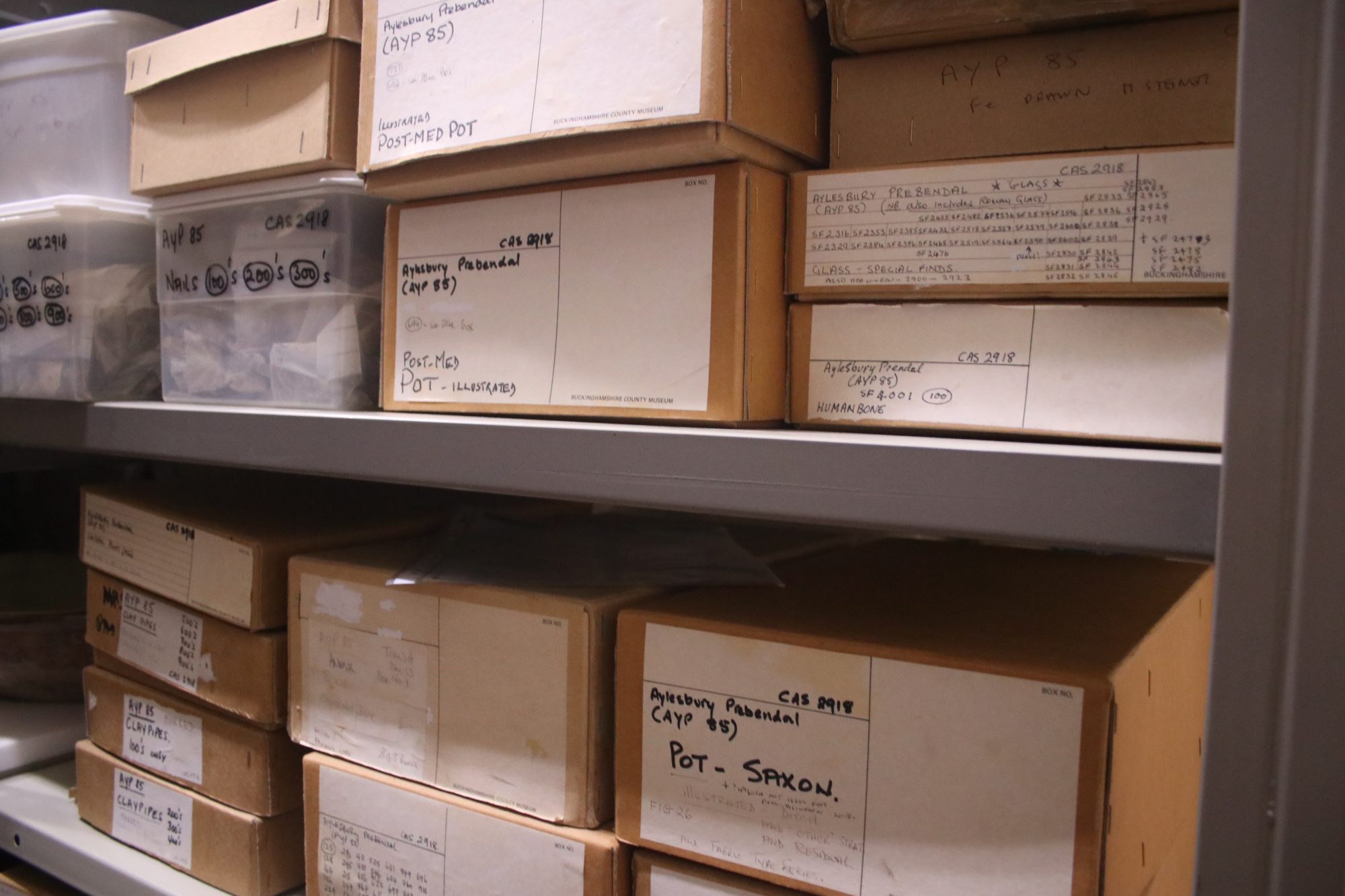
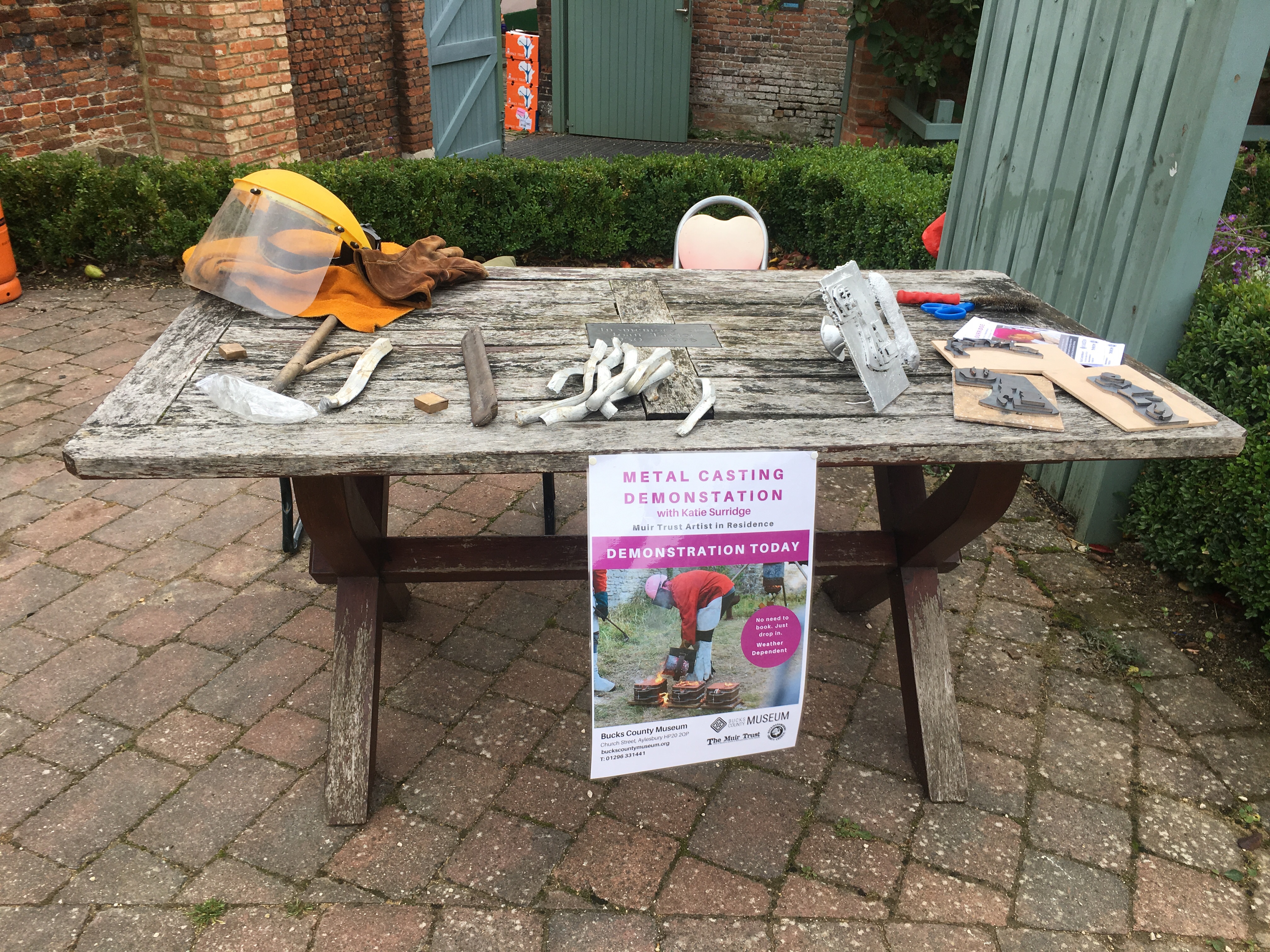
On the 28t September I did a casting demonstration in the museum gardens. I am continuing to work with using the shapes taken from the packaging of the museum collection , and using them to create fake relics.
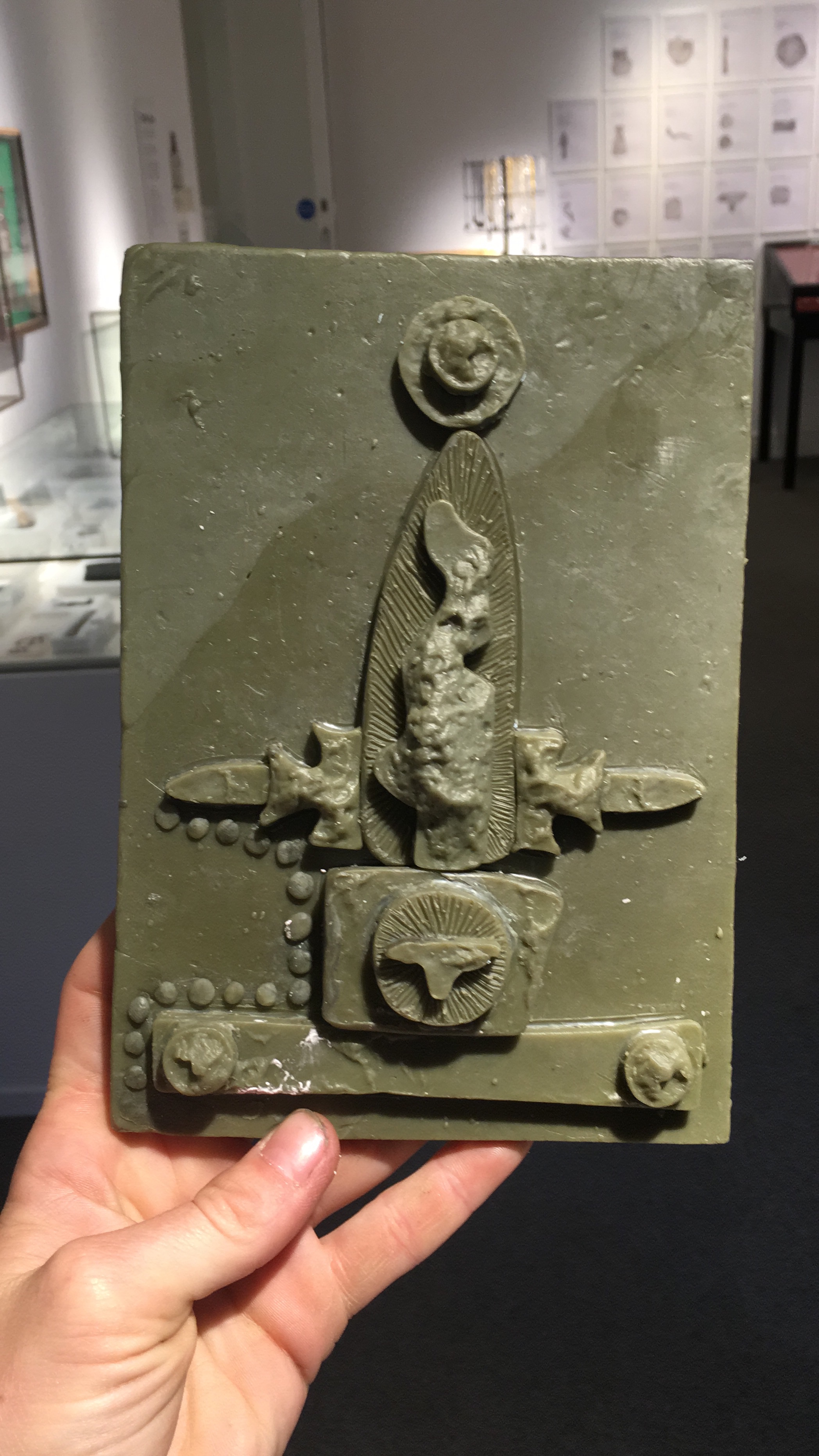
Over the course of the week before the demonstrations I have been making up some decorative wall pieces. To me these almost resemble icons or religious imagery or symbols , but with out a know. denomination. I’m really enjoying the idea of developing fake relics.
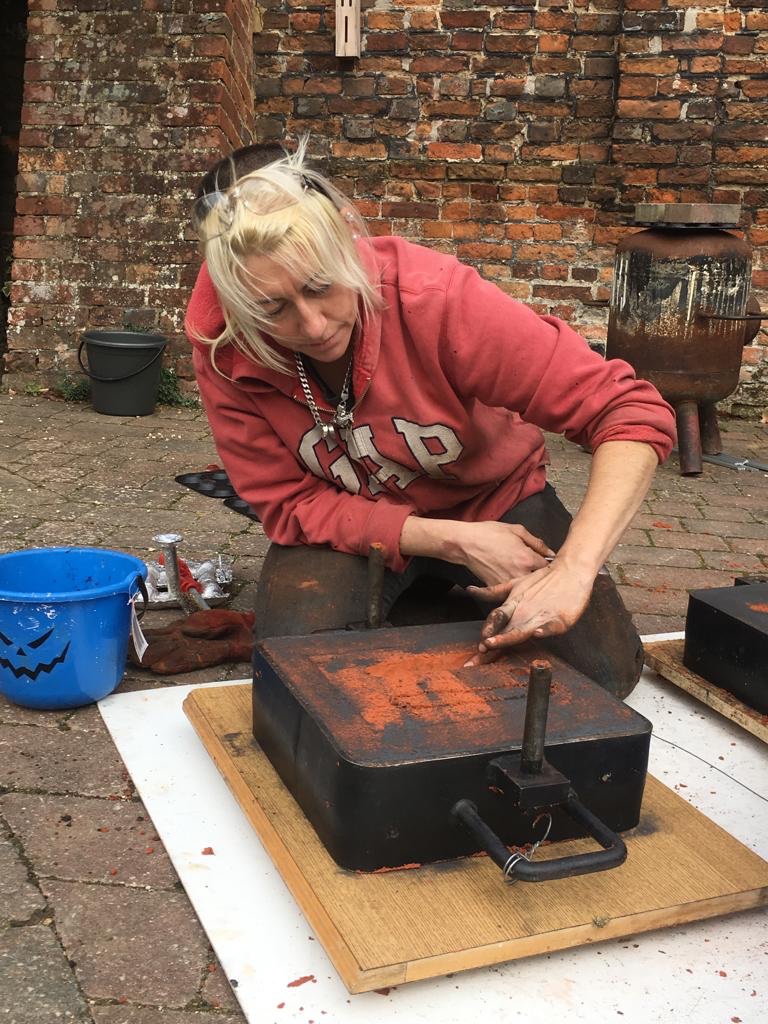
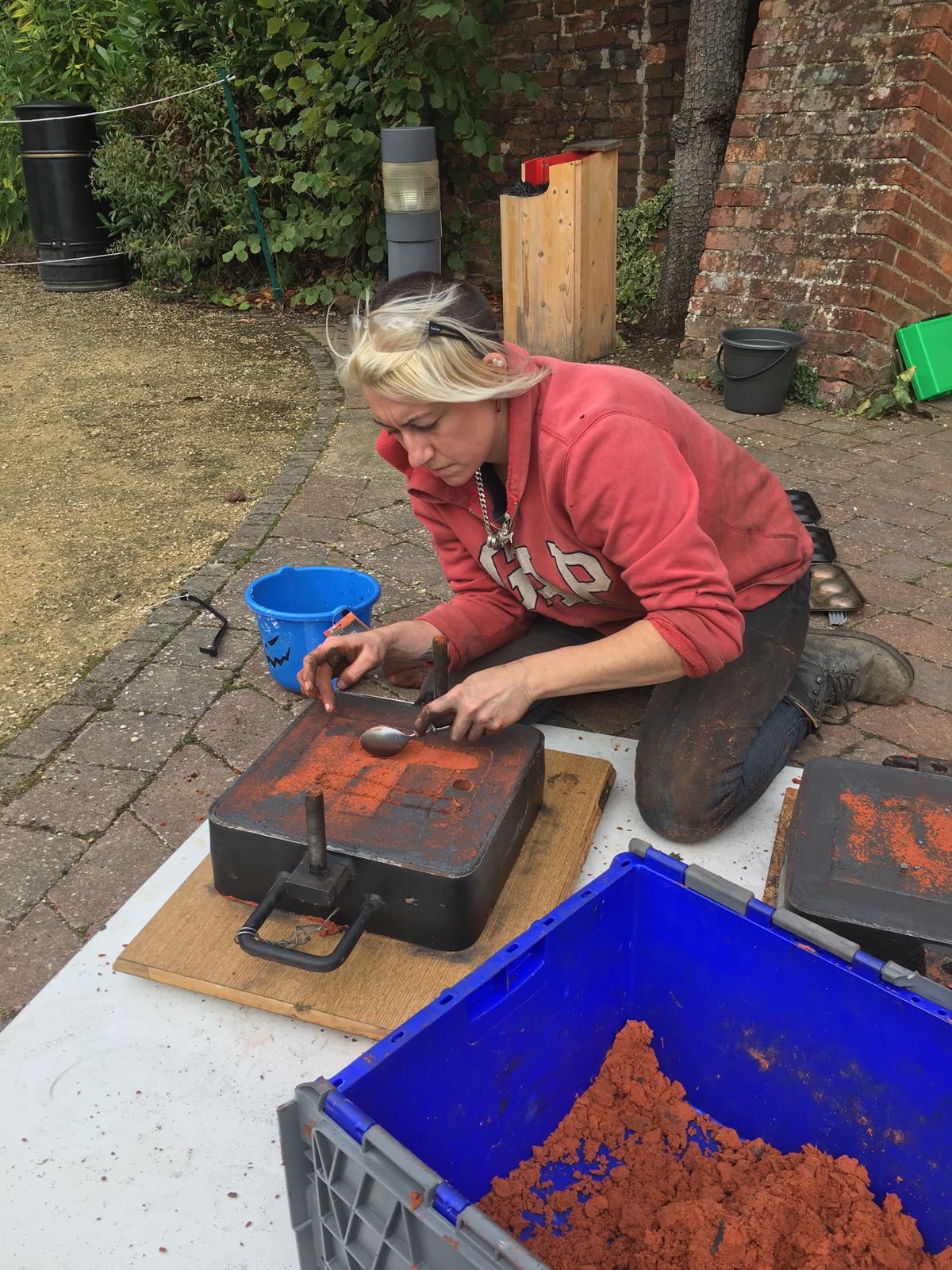
They will be cast In oil Sand moulds and here you can see me preparing these . The metal flask shown in the photos is what the sand is packed in to create the mould , and this flask splits in two.
This means that the sand can be packed tightly around the art work . The flask can then be split open, the art work plaque removed and this leaves a void where the aluminium could be poured . To get the metal in to this void I also needed to cut out a running system , pouring hole and holes for the gas to be released from.
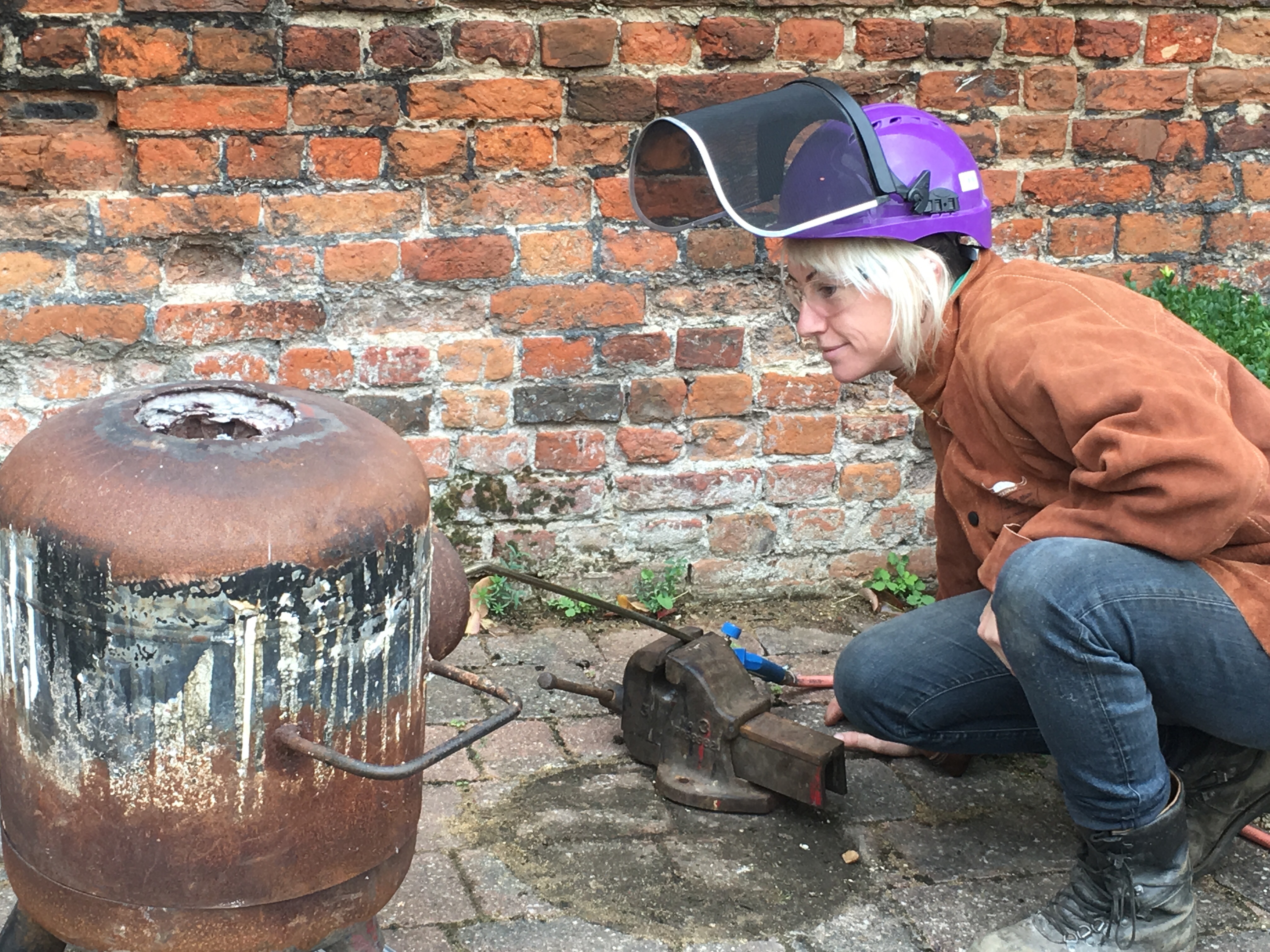
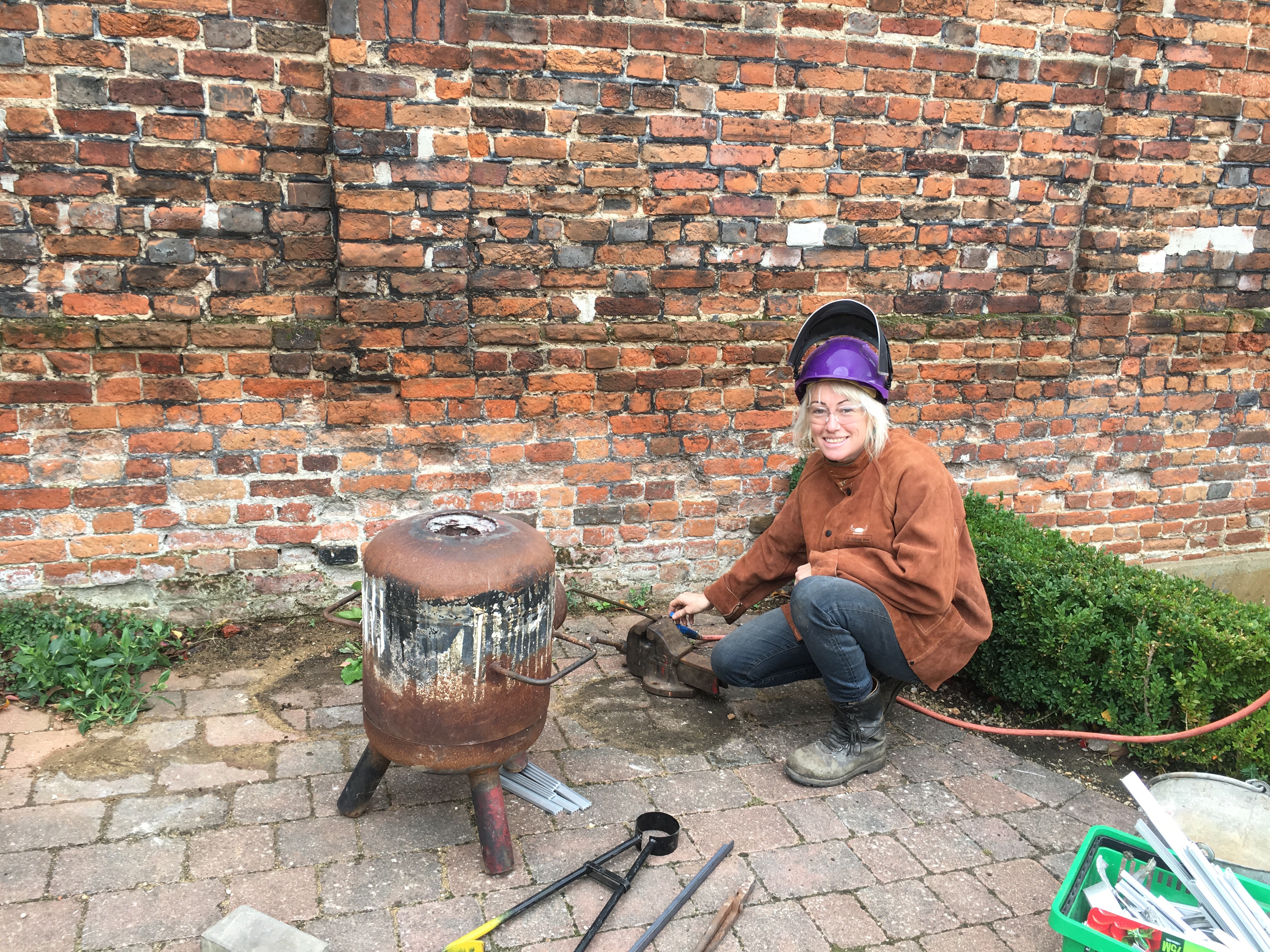
The aluminium got up to temperature in about half an hour and I did two pours over the course of the day. I also demonstrated how to pack the moulds .
The first cast worked a lot better than the second. On doing some research after the pour and speaking to a experienced foundry woman I learnt a few things I need to do to improve results when making a mould. This is the fantastic thing about residences as it gives you the space to test ideas, explore new mediums and find out new solutions and answers.
Firstly She told me the hot sand does not work as well as the oil reacts with the wax mould. I had had a feeling this was a issue. Next time I need to let the sand cool down completely before re packing it.
Secondly even cold the oil in the sand reacts with the wax. By painting the wax with a shellac sealer it can prevent this . Talcum powder as well as graphite can also be used on top of the shellac painted wax to release it more easily , thus giving crisper results.
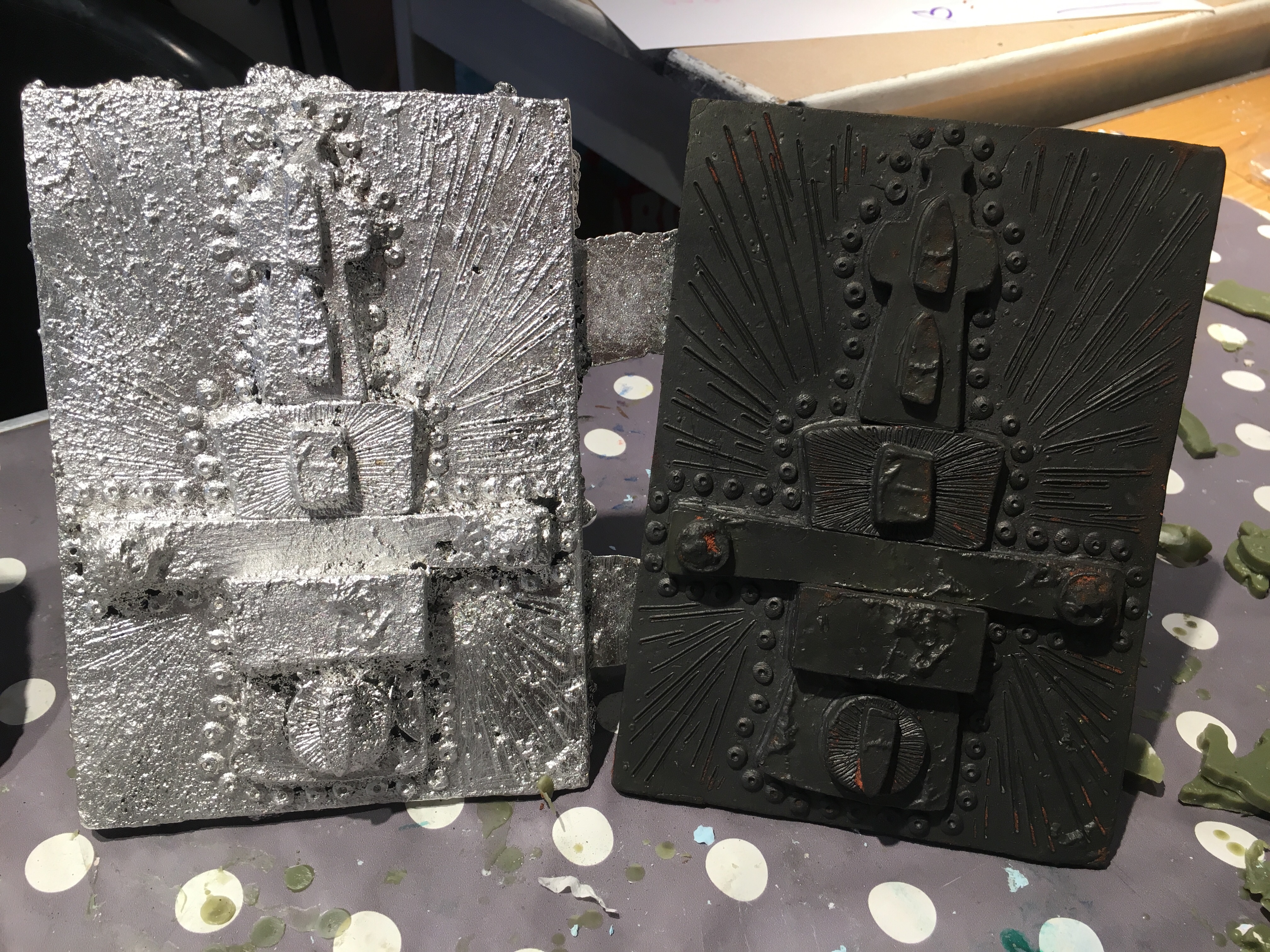
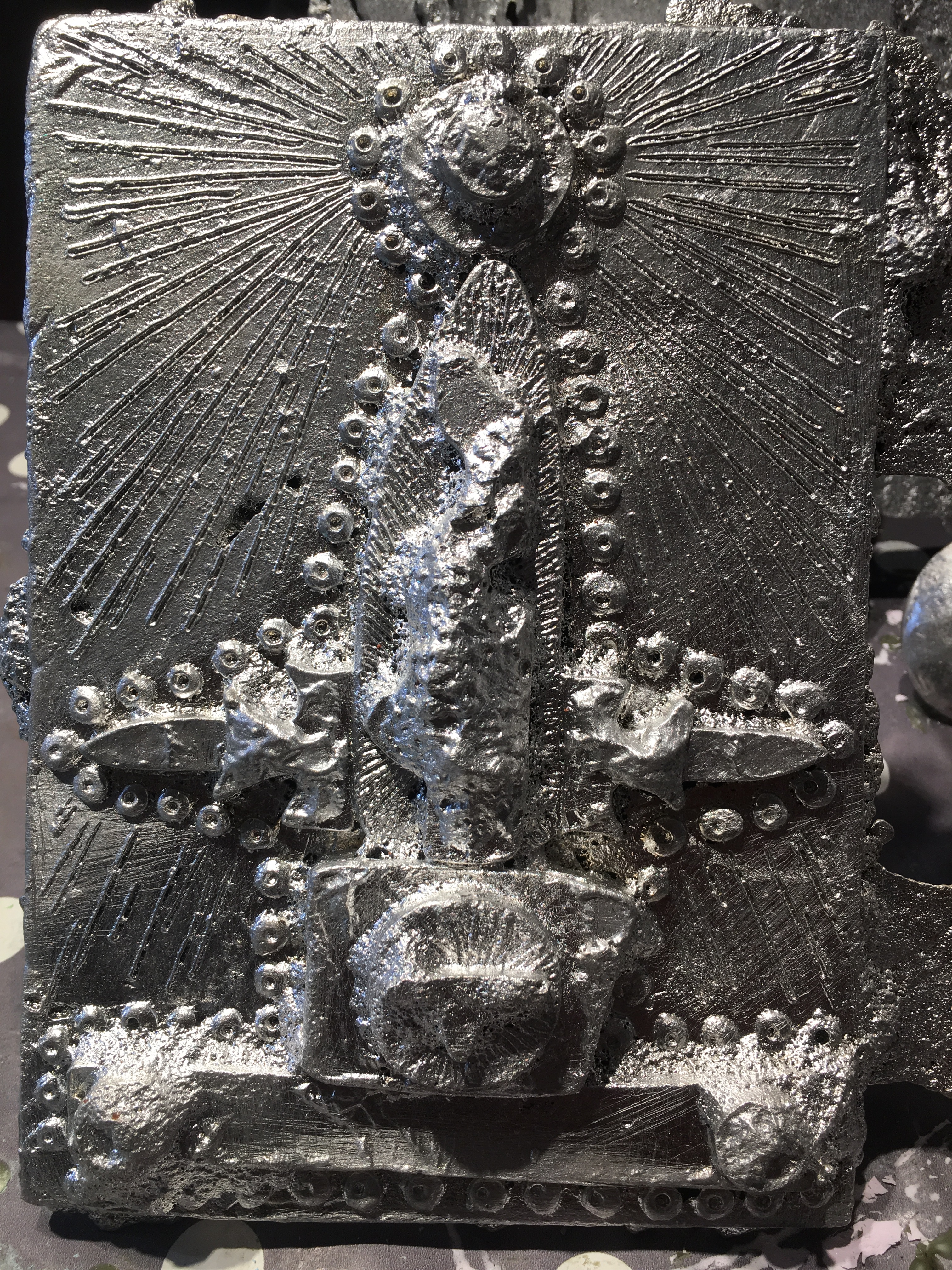
You can see the first cast above came out Fairly well but with a few imperfections. I don’t mind these so much, but in the second there was more sand that stuck to the art work when I removed it . This distorted the space in which the metal would be poured, hence giving less clear results.
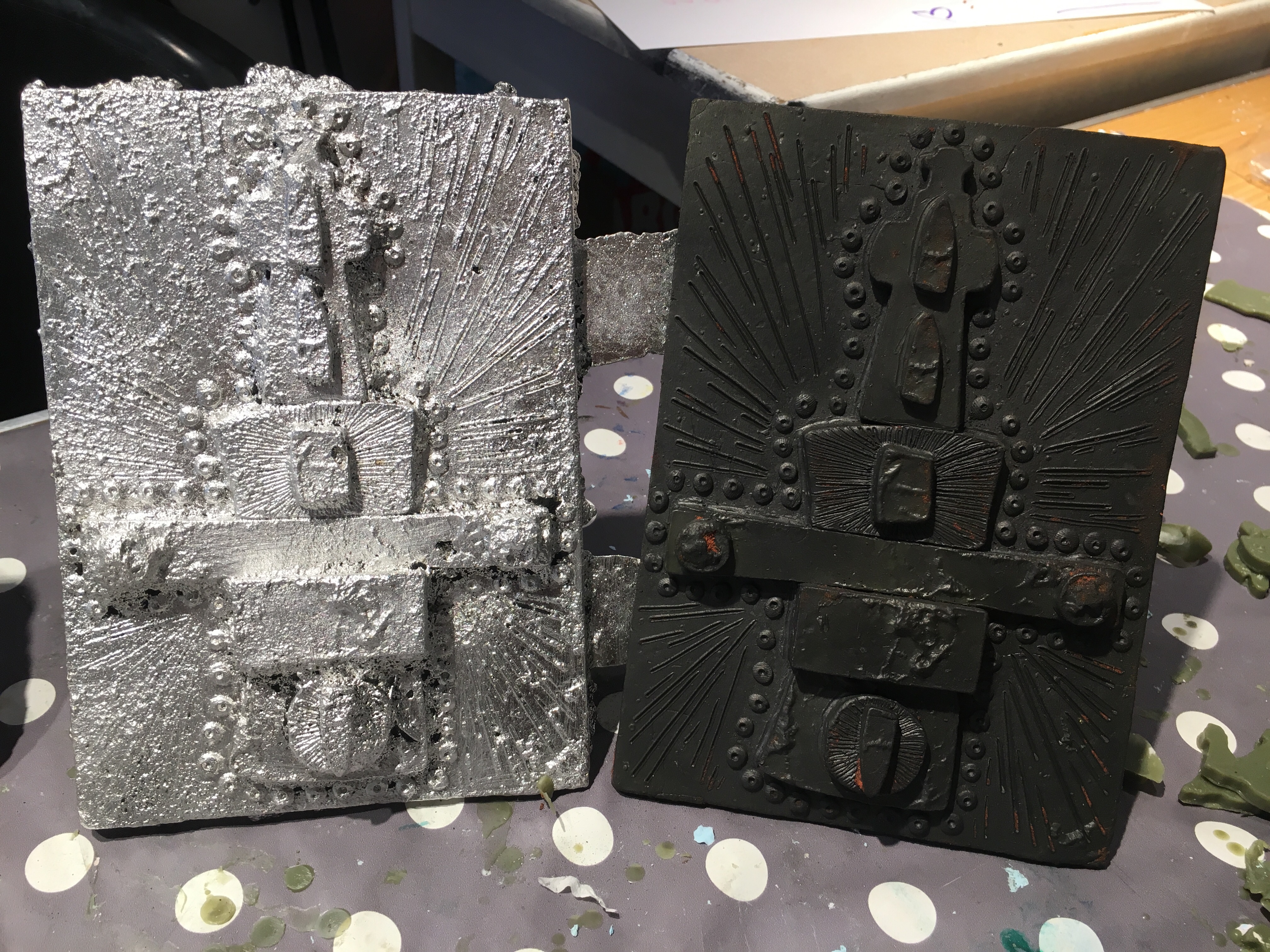
All In all it was a very interesting day and I learnt a lot and now know how to move forward with this work.
 Bucks County museum residency. 2019